Carcharodontosaurus Saharicus: Shark-Like Teeth and Massive Size

email: noellemoser@charter.net
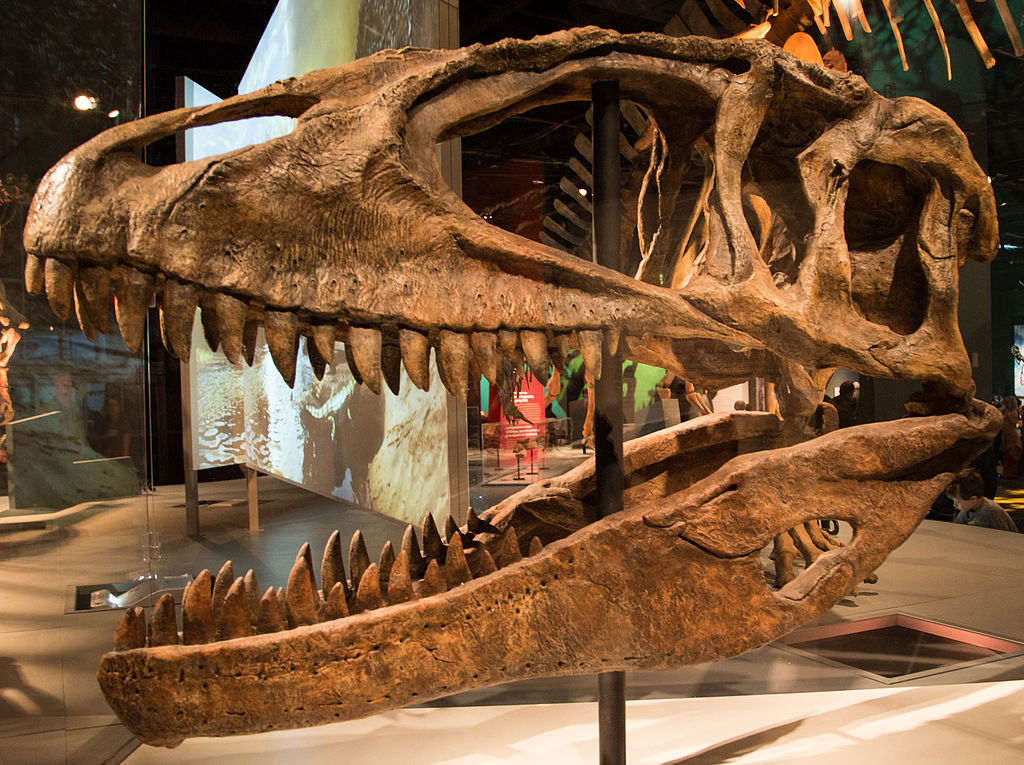
Image Credit: Carchrodontosaurus Skull.

Millions of years before Tyrannosaurus Rex roamed the earth, another group of gigantic meat-eaters ruled the land. This group of dinosaurs produced some of the largest carnivores, Giganotosaurus, Mapusaurus, Acrocanthrosaurus, and Tyrannotitan.

Roaming North Africa 99 to 94 million years ago, Carchrodontosaurus (CAR-car-oh-DONT-oh-SORE-us) reached massive sizes, some outweighing Tyrannosaurus Rex by a ton. While size alone places this theropod in the Dinosaur Hall of Fame, the most remarkable characteristic of this massive meat-eating machine is the teeth of this carnivore.
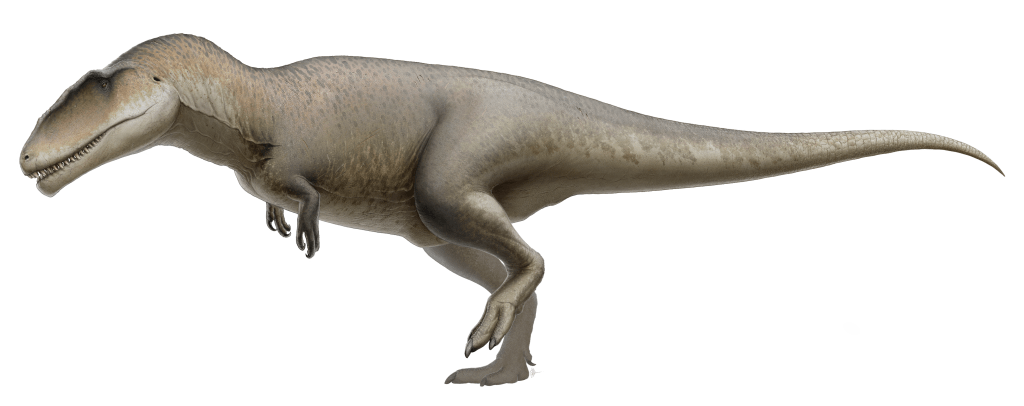
Image Credit: Chacharodontosaurus Life Restoration.

Shark-Like Teeth of Charcharodontosaurus.

Image Credit: Carcharodontosaurus Blade-Like Tooth.

Weighing seven metric tons, Carcharodontosaurus had a ferocious apatite, armed with 60 sharp recurved, serrated teeth that bear a striking resemblance to that of a great white shark – and inspiration for the name – this massive meat-eater effortlessly sliced and diced large titanosaurs which it hunted in family groups. Even more captivating was the discovery of Carcharodontosaurus.

Discovery of Carchrodontosaurus:

In 1699, Edward Lhuyd found a tooth thought to have belonged to a large extinct carnivorous fish. Subsequent studies showed that the tooth belonged to an unknown species of Megalosaurus. In 1824, William Buckland, an English Theologian, geologist, and paleontologist, discovered the first dinosaur fossil, Megalosaurus (meaning “great lizard”). The fossil recovered contained the lower mandible (jawbone) and teeth of a large theropod from the Middle Jurassic about 166 million years ago. William Buckland described the teeth as sharp, serrated, and jagged, similar to the shark tooth found by Edward Lhuyd nearly 100 years earli

Tracking across Egypt in 1914, German paleontologist Ernest Stromer and his expedition team excavated a partial skeleton of a large theropod with shark-like serrated jagged teeth described as Megalosaurus saharicus, belonging to a group of theropods called Megalosauridae.

Image Credit: Jawbone of Megalosaurus described and illustrated by William Buckland in 1824.

After careful study, in 1931, Stromer announced that the tooth belonged to a new species of carnivorous theropod dinosaur he called C. saharicus (Carcharodontosaurus Saharicus). Unfortunately, the skeleton was destroyed by Allied bombing raids during the Second World War. C. saharicus was lost to science until 1995 when a complete skull was excavated from the Kem Kem Beds in Morocco.

Size:

Stromer hypothesized that C. saharicus was around the same size as the tyrannosaurid Gorgosaurus, which was 26–30 ft long, 39–41 ft head to tail, and weighed approximately 5–7 metric tons. Carcharodontosaurus saharicus is one of the largest known theropod dinosaurs and terrestrial carnivores.

Image Credit: Graphic showing comparative sizes of the largest theropods known. Carcharodontosaurus Saharicus in amongst the largest carnivores to walk the earth.

Feeding and Diet:

Bite forces of Carcharodontosaurus and other giant theropods Acrocanthosaurus and Tyrannosaurus were analyzed showing that carcharodontosaurids had much lower bite forces than Tyrannosaurus despite being similar in size. A 2022 study estimated that the anterior (front teeth) bite force of Carcharodontosaurus was 11,312 newtons while the posterior (back teeth) bite force was 25,449 newtons, suggesting that it did not eat bones.

The shark-like teeth of Carcharodontosaurus acted like a meat slicer, while the conical-shaped teeth of Tyrannosaurus Rex crushed bone. Acrocanthosaurus (another carcharodontosaurid) relied on pack cooperation with a slice-and-dice approach to hunting. The theropods trailing behind a large herd of sauropods would take turns biting and slashing at the target; the objective was to keep the prey moving and bleeding. The lumbering prey, weakened through blood loss, exhaustion, and infections, would collapse under its weight. Like Acrocanthosaurus, this suggests that Carcharodontosaurus used this same hunting method.

Paleoenvironment:

Image Credit: The Tethys Ocean during the Mesozoic when the super content of Pangea began to break apart.

Carcharodontosaurus fossils reside in Cretaceous-age formations across North Africa. During the Cretaceous, North Africa, bordered by the Tethys Ocean, occasionally flooded and created an environment of tidal flats and lush waterways. The seasonal monsoons created sub-tropical environments supporting diverse fauna. Unlike other regions, Cretaceous North Africa is an anomaly as several groups of meat-eating dinosaurs lived nearby. Fossil records show that niche diets allowed the habitat to support fewer herbivores per carnivore ratio. Fish-eating dinosaurs such as Spinosaurus hunted in the water while land-dwelling theropods hunted on land. Simply put, the carnivorous dinosaurs did to compete for food.

Image Credit: Life restoration of life during the Cretaceous. Carcharodontosaurus Saharicus at the center right.

Extinction:

For unknown reasons, the tyrannosaurs (Abelisaurs in the Northern Hemisphere, Tyrannosaurs Rex in the Southern Hemisphere) replaced Carcharodontosaurus and the other predatory theropods Giganotosaurus, Mapusaurus, and Acrocanthosaurus. The remaining tyrannosaurs ruled the land for 3.6 million years until that fateful day 66 million years ago.

I am a multi-disciplinary writer, blogger and web content creator. If you liked this post, please visit my online writing portfolio and other sites.

The Kuntry Klucker – A blog about raising backyard chickens

The Introvert Cafe – A Mental Health Blog

~ Noelle K. Moser ~
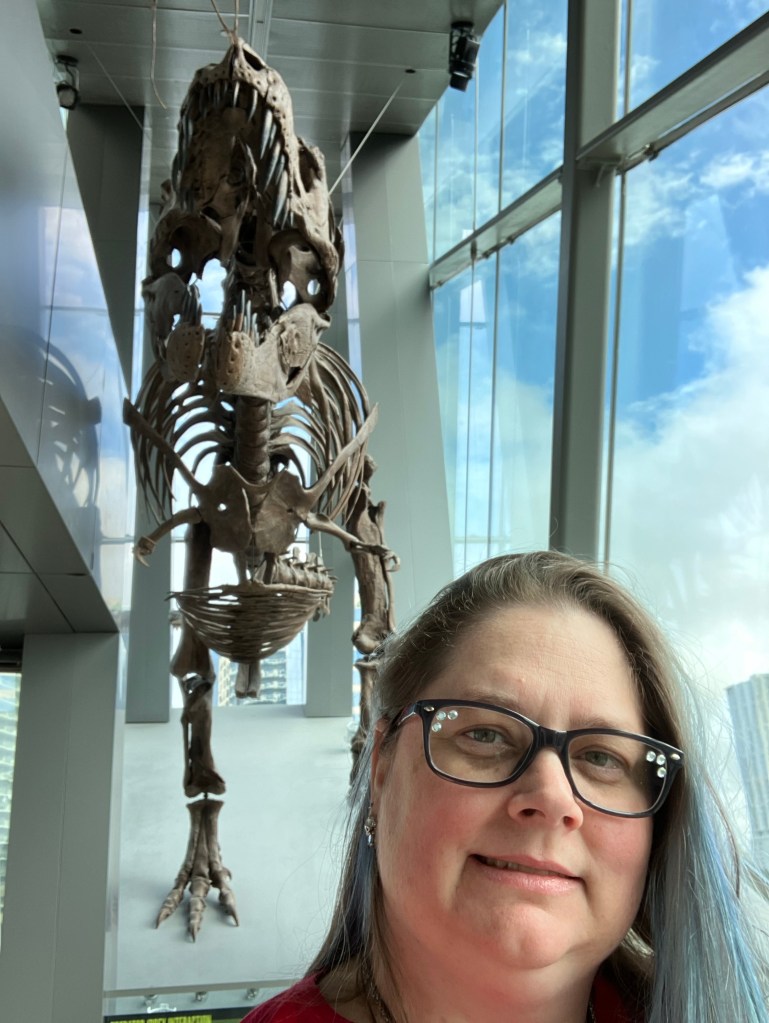
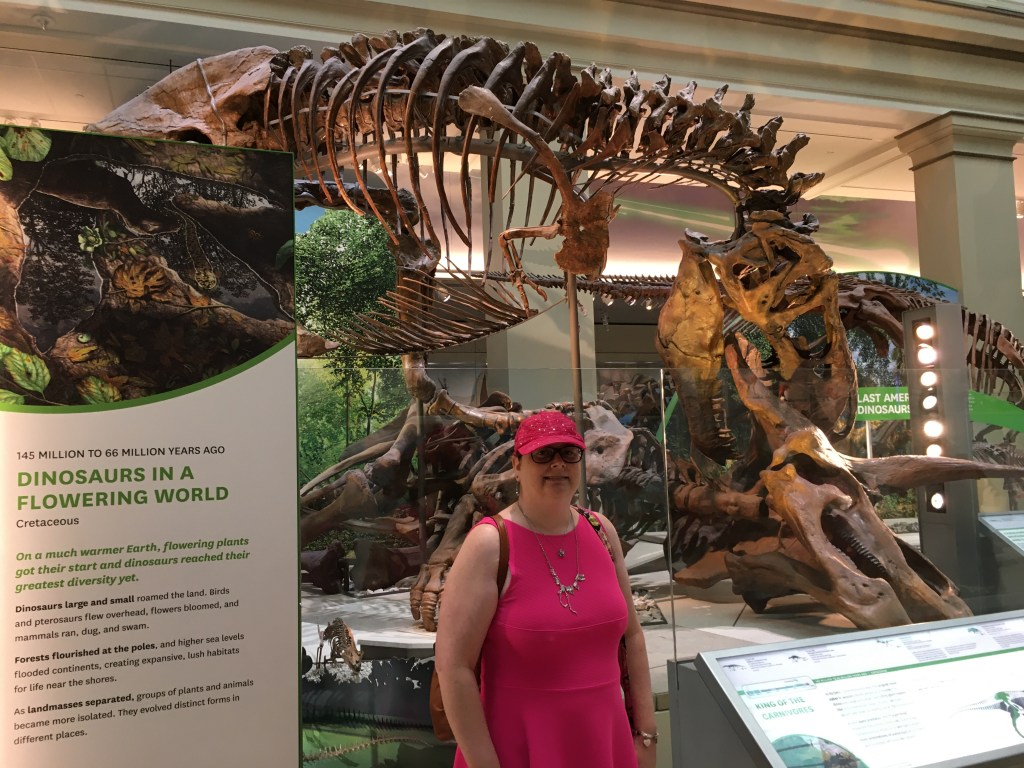
Image Credit: Noelle K. Moser. Tyrannosaurus Rex Stan and I. Perot Natural History Museum. Dallas Texas.

Resources:

Natural History Museum Carcharodontosaurus

Ransom-Johnson, Evan & Csotonyi, Julius. Dinosaur World. Kennebunkport, Maine, Applesauce Press, 2023.

Wikipedia: Charcharodontosaurus

My visits to Natural History Museums across the country.
Daspletosaurus: The Proto-Tyrant of Late Cretaceous

email: noellemoser@charter.net

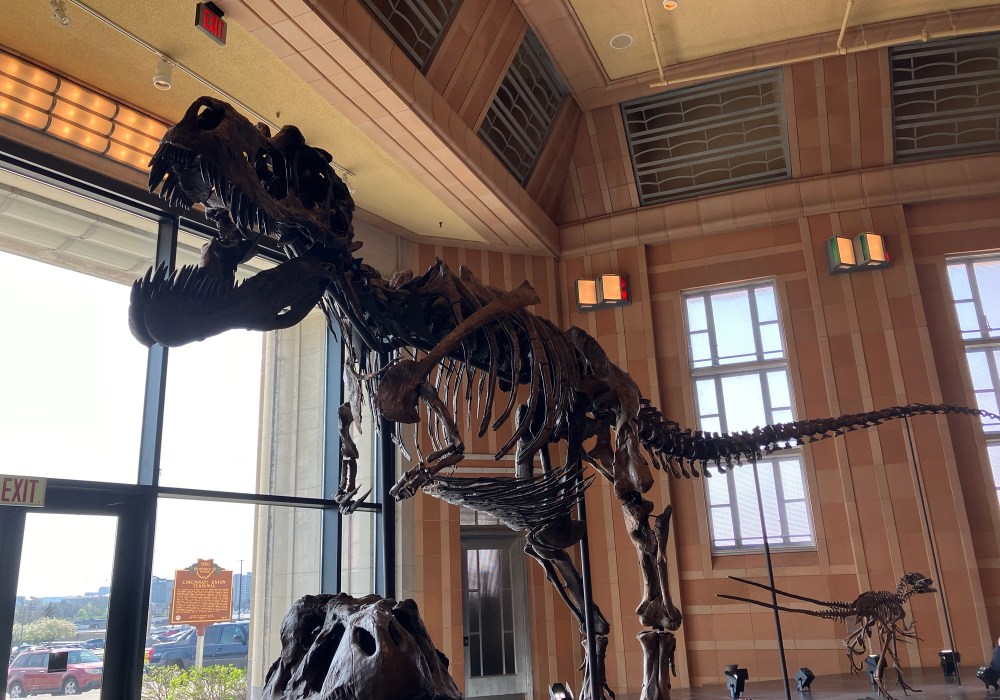
Image Credit: Noelle K. Moser. Silhouette of Daspletosaurus and skull of Tyrannosaurus Rex specimen MOR555 overlooking downtown Cincinnati. Cincinnati Museum Center. Cincinnati, Ohio.

During the Cretaceous Tyrannosaurs were the dominant force, the largest among them the mighty T-rex. Tyrannosaurus Rex was the largest, and heaviest terrestrial carnivore ever walking the earth. Millions of years before Tyrannosaurus Rex reigned as the king of the dinosaurs, another monster tyrant ruled the world. His name was Daspletosaurus (das-PLEE-toh-SORE-us). Dwarfed by Tyrannosaurus Rex, Daspletosaurus was the dominant predator of its time. What was this proto-t-rex, how did it become the tyrant of the late Cretaceous, and why did it become extinct? In the article, we will look at Daspletosaurus, the fierce lizard from the Cretaceous.

Image Credit: Noelle K. Moser. Daspletosaurus towering over Tyrannosaurus Rex (MOR555) skull. Notice the similarity and dental arrangement in the skulls. Boxy skulls with conical teeth are traits of tyrannosauroids. It is clear that these individuals are related on the same branch of the theropod family tree. Cincinnati Museum Center. Cincinnati, Ohio.

Daspletosaurs’s story begins in 1921 when paleontologist Charles M. Sternberg discovered the fossil of what was thought to be Gorgosaurus, another theropod on the tyrannosaur family tree. However, in 1970, it was determined this dinosaur was different and assigned to its genus. Daspletosaurus Torsus, “strong frightful reptile”, was assigned to this new tyrannosaur.

The disarticulated skeleton consisted of a complete skull, a forearm, two femurs, and a pelvis. It also included all of the neck, back, and tail vertebrae. Since its original discovery, only one other Daspletosaurus is known.

Daspletosaurus Torsus and its relative Daspletosaurus Horneri are similar in size. 30 feet from head to tail, 82 feet tall, and weighed about 3 tonnes. Compared to humans, Daspletosaurus is large but dwarfed by its predecessor, Tyrannosaurus Rex. T-rex was about 42 feet long, 12 feet tall at the hip, and tipped the scales at 8 tonnes.

Image Credit: Daspletosaurus size comparison.

A genus of tyrannosaurid dinosaurs Daspletosaurus is closely related to Tyrannosaurus rex, from which the clade name originates. This group includes small to massive coelurosaurian dinosaurs that evolved into Tyrannosaurus Rex.

Daspletosaurus Habitat:

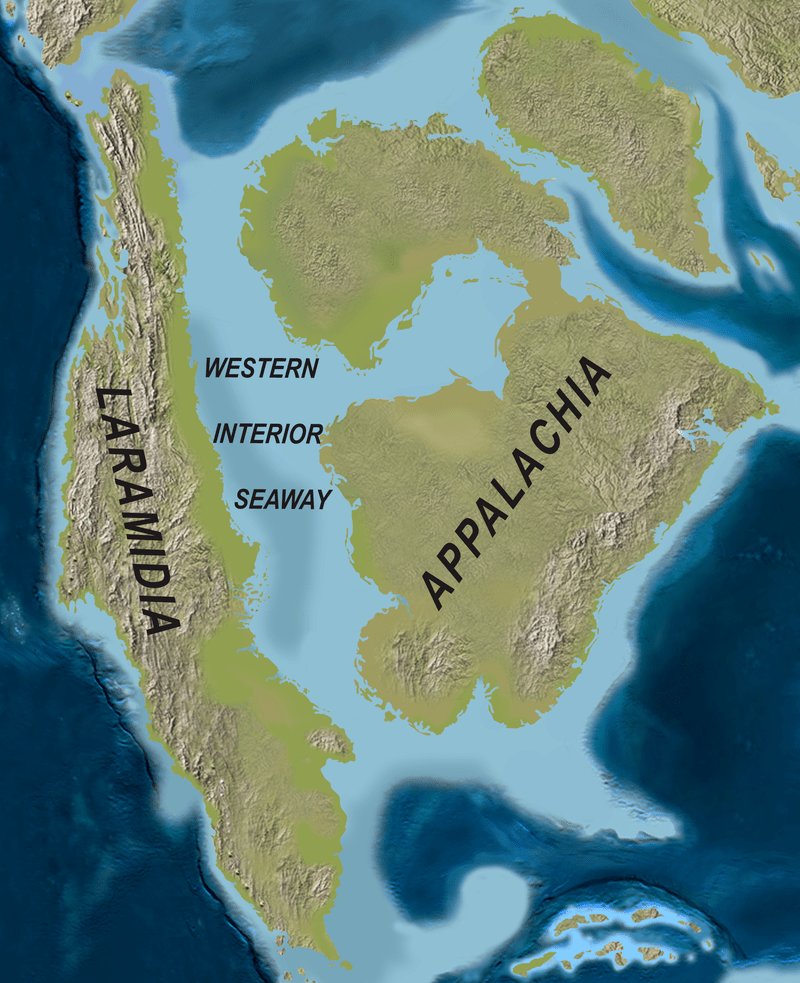
Image Credit: Laramidia and Appalachia, two landmasses that eventually made-up North America.

Home to daspletosaurus during the Late Cretaceous was a vast floodplain of the eastern coast of Laramidia. Laramidia and Appalachia are the two continents that would eventually become North America. During the Jurassic, these drifting continents were split by a vast ocean, the Interior Seaway. Along the Interior Seaway are five distinct and important formations encapsulating Daspletosaurus fossils. The Old Man Formation, Judith River Formation, Bear Paw Formation, and Dinosaur Park Formation. Situated in the Bad Lands of the western United States, these formations are present-day Montana and Lower Alberta, Canada.

Ceratopsians, hadrosaurs, Ornithosaurs, and other tyrannosaurs are entombed in the rocks near Daspletosaurus fossils. This suggests that these dinosaurs were contemporaries of Daspletosaurus and served as food for the dominant theropods at that time.

Why Did Daspletosaurus Go Extinct?

Daspletosaurus is known from 75 million years ago in the Campanian Late Cretaceous. The species suddenly disappeared 74 million years ago. After 5 million years of existence, it is unknown why Daspletosaurus went extinct. Competition with Tyrannosaurus Rex is one possibility climate change from volcanic activity is another. Whatever the reason, fossil evidence shows that Daspletosaurus disappeared, leaving Tyrannosaurus Rex to rule the land.

Daspletosurus was a fascinating theropod and an incredible link in the tyrannosaurus family as the tyrant before T-Rex.

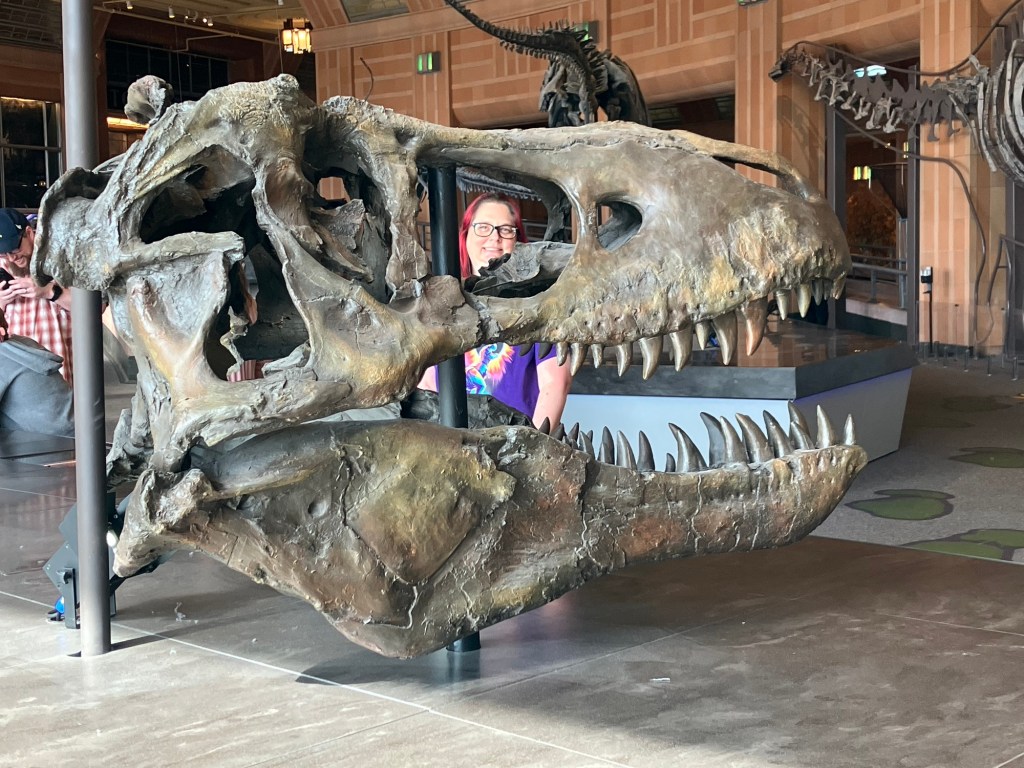
Image Credit: Noelle K. Moser. Me standing next to Daspletosaurus Torsus and Tyrannosaurus Rex skull of specimen MOR555. Cincinnati Museum Center. Cincinnati, Ohio.

I am a multi-disciplinary writer, blogger, and web content creator. If you like this post, please visit some of my other sites or Online Writing Portfolio.

The Kuntry Klucker – A blog About Backyard Chickens

The Introvert Cafe – A Mental Health Blog.

Resources:

My Visit to Cincinnati Museum Center to study Daspletosaurus.

Holtz, Thomas R. Dr. Dinosaurs: The Most Complete, Up-To-Date Encyclopedia for Dinosaurs Lovers of all Ages. Random House. New York, NY. 2007. (pgs. 117, 124, 125, 126).

Pim, Keiron. Dinosaurs: The Grand Tour. Everything Worth Knowing About Dinosaurs from Aardonyx to Zuniceratops. The Experiment. New York, NY. 2019. (pgs. 302, 341).

Image Credit: Noelle K. Moser. Me peering through the fenestrae of Tyrannosaurus Rex specimen MOR555. Cincinnati Museum Center. Cincinnati, Ohio.

The Evolution of Dinosaurs: Origins and Anatomical Adaptations

Image Credit:

Before delving deeper into our discussion about dinosaurs, it’s crucial to define what a dinosaur is. Dinosaurs are distinct creatures that emerged after the Permian Extinction. To thoroughly address this topic, we need to explore their origins. Contrary to the common perception of dinosaurs as colossal beings, they actually evolved from ancestors smaller than a house cat (Thomas R. Holtz, 2007). Initially, dinosaurs were diminutive, bipedal, and lizard-like. Coelophysis represents one of the earliest and most primitive theropod dinosaurs. However, preceding Coelophysis, the earth was home to another group known as archosaurs.

Image Credit: Archosaurs Postosuchus and Desmatosuchus.

Archosaurs, the predators to dinosaurs, were small creatures with a crucial adaptation: open hip sockets and hind limbs that were positioned directly beneath their bodies. This adaptation became essential during the Jurassic period, when Titanosaurs roamed the Earth. Without this primitive yet fundamental anatomical feature, dinosaurs would not have been able to grow to the colossal sizes that fascinate us today. The open hip joints and vertically aligned legs enabled dinosaurs, including the massive Sauropods and the towering Tyrant dinosaurs, to maintain an upright stance.

An open hip joint, hind legs positioned directly beneath the body, and three or more sacral vertebrae fused to the pelvis are the primary criteria for classifying an animal as a dinosaur.

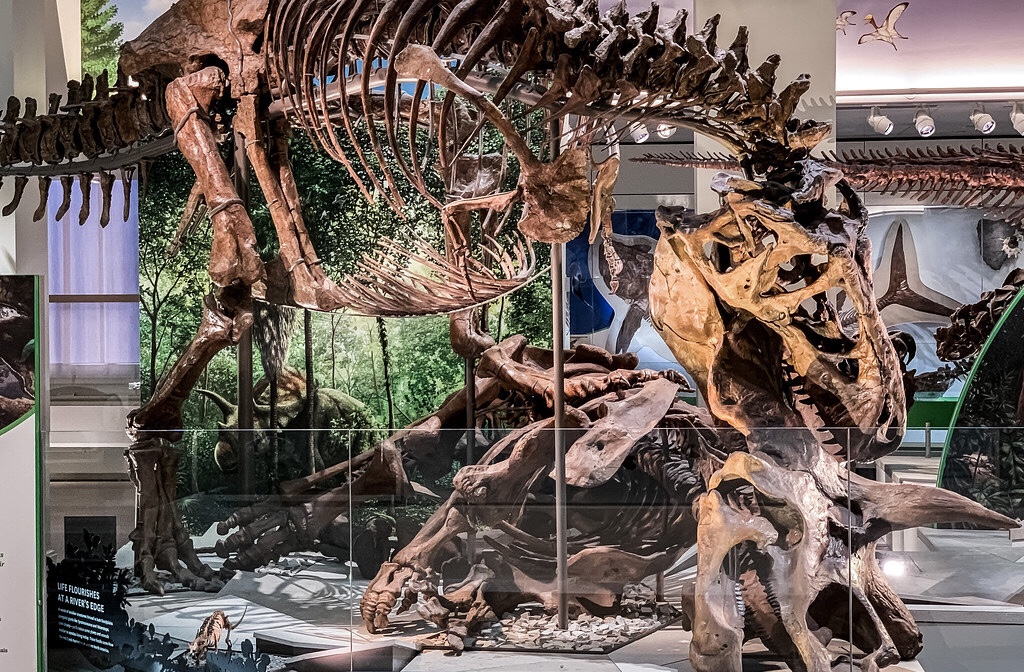
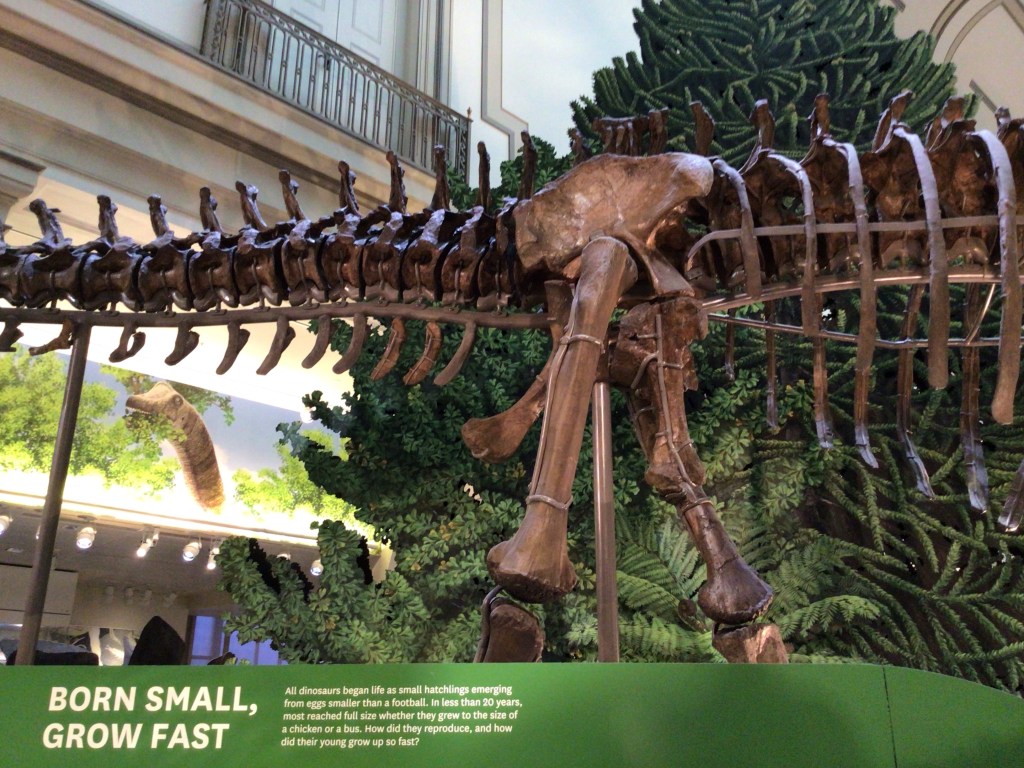
Displayed above are images of MOR 555, the Tyrannosaurus Rex housed at the National Museum of Natural History in Washington, D.C. Observing his skeleton, one can notice the open hip joint of this sizable theropod. Lacking a specialized hip joint to position the hind legs directly beneath his body, MOR 555 would be unable to support his immense 6 ton weight.

Furthermore, the presence of open hip joints was another crucial adaptation that facilitated dinosaurs’ smooth locomotion and running. As organisms that also utilize bipedal locomotion, we can appreciate this efficient form of movement. Without the open hip joints that connect our legs to our pelvis, we would be incapable of performing many activities that are fundamental to humans. We would be unable to engage in sports that involve running, jumping, or aerial maneuvers without this critical anatomical feature.

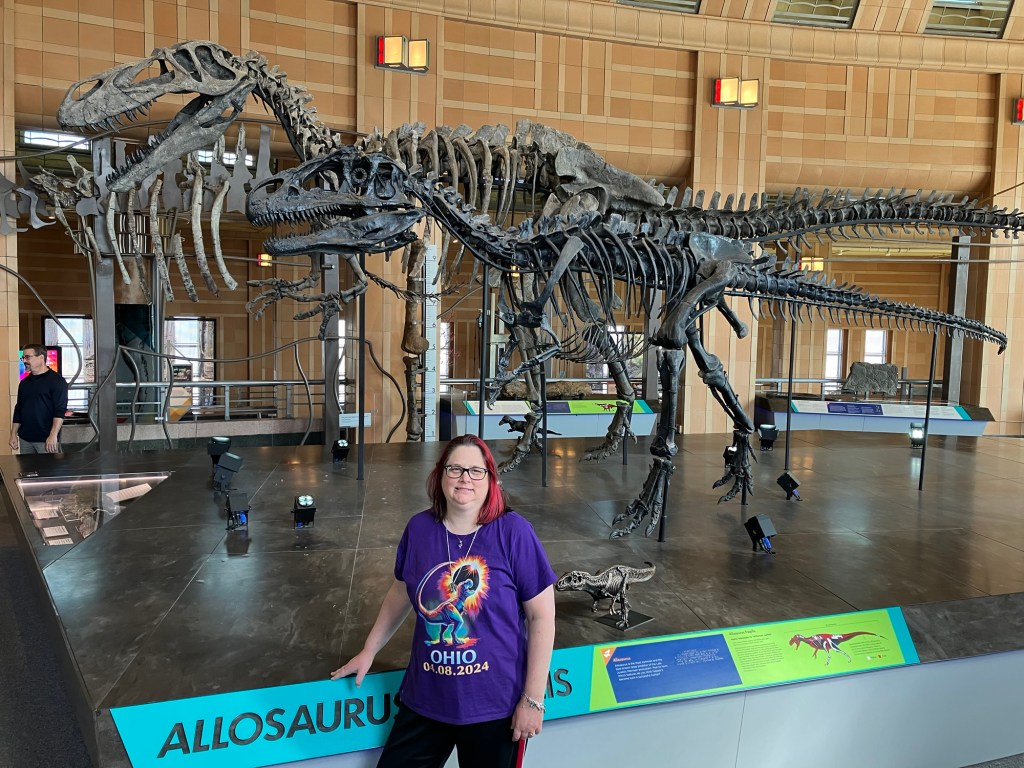
Image Credit: Noelle K. Moser. Allosaurus and Torvosaurus were apex predators of the Jurassic period. Their bipedal locomotion allowed their hands to be free, aiding these theropods in grasping objects or prey. Cincinnati Natural History Museum. Cincinnati, Ohio.

Dinosaurs exhibit various anatomical adaptations, one of which is evident in the Theropod group, such as the Allosaurus, known for “Big Al’s” hands. These anatomical features played a significant role in dinosaurian success. The presence of digits on the manus (hand) and pes (foot) enabled dinosaurs to grasp and manipulate objects. Bipedalism allowed the forelimbs to evolve for other survival-enhancing functions. The disproportionately small arms of the Tyrannosaurus Rex, often mocked in popular culture, were actually functional; despite their size relative to its massive body, it is theorized that T-Rex could lift approximately 100 pounds with its forelimbs. Significantly, having forelimbs not required for walking was a considerable advantage for dinosaurian success.

As creatures habituated to bipedal locomotion, we value the freedom to use our hands for tasks other than moving from one location to another. Similar to dinosaurs, the adaptation to walking on two legs has been crucial to our evolution and success as Homo sapiens.

The second requirement to classify an animal as a Dinosaur is hands complete with digits, both manus (hand) and pes (feet).

The drawing I did humorously demonstrate the possibilities available to T- Rex should he decide to take up berry picking. With adaptions of bipedal locomotion, T-rex and other dinosaurs had their hands free to carry and manipulate objects.

Contrary to common belief, dinosaurs are not entirely extinct. They soar above us daily as avialians, commonly known as birds. Birds are not merely related to dinosaurs; they are modern-day dinosaurs, specifically Coelurosaurs from the theropod dinosaur lineage. I’ll expand on this in a future post. For now, it’s important to recognize that birds are considered dinosaurs because they share a crucial anatomical adaptation common to all dinosaurs.

An animal’s skull consists of numerous bones, often mistakenly thought of as a single entity, the cranium. In reality, the skull is an assembly of several smaller bones that join together to form the cranium. Dinosaurs are characterized by the absence of one particular skull bone, the postfrontal bone. In the diagram below, the bones of a dinosaur’s skull are labeled. You can observe that the frontal bone (colored pink) is there, but the postfrontal bone is not.

Image Credit:

Anapsids, the reptilian lineage, and synapsids, the mammalian lineage including humans, have postfrontal cranial bones. Diapsids, the lineage that encompasses dinosaurs, do not possess these bones. However, dinosaur ancestors, such as the Archosaurs, retained the postfrontal bone. The absence of this cranial bone in all dinosaurs, which is present in their ancestors, aids in defining them (Martin 2006).

All birds, descendants of dinosaurs, lack postfrontal cranial bones. These bones merge with the frontal bone in the later stages of embryonic development.

 The third requirement needed to classify an animal as a dinosaur; is the absence of a postfrontal cranial bone.

Image Credit: Noelle K. Moser. The splayed toes and digitigrade stance of MOR 555 provide agility and stability on slippery surfaces. While this type of foot is often associated with modern birds, it is actually a characteristic that originated with dinosaurs. National Museum of Natural History. Washington, D.C.

The limb bones of dinosaurs, particularly those associated with the appendicular skeleton (bones connected to the axial skeleton), are crucial as they offer insights into the dinosaur’s locomotion. In the rear part of a dinosaur, the hind limbs are connected to the body through the pelvic girdle (hip socket) situated beneath the sacral vertebrae (vertebrae fused to link the open hip joint with the spine).

The evolutionary adaptation of an open hip socket allowed dinosaurs to support their weight directly above the hip joint. This posture necessitated adaptations for such a mode of locomotion. The femur, or thigh bone, connects to the hip joint via the acetabulum and extends to the cnemial crest and the tibia. The cnemial crest can be seen in the image above on MOR 555 skeleton.

The tibia is crucial for two additional dinosaur traits: the cnemial crest and the ascending process into the astragalus, or anklebone (Martin 2006). The astragalus, along with other small bones, forms a dinosaur’s tarsals, which include the feet and toes. Dinosaurs walked with their metatarsals touching the ground, essentially walking on their toes. This type of movement, known as digitigrade locomotion, is evident in the image above. Tyrannosaurus Rex MOR 555, for instance, walks on his toes, with his heels never touching the ground. This digitigrade locomotion is also observed in other animals such as dogs.

Contrast this with human locomotion. Humans walk with a relaxing stance in which most of the body weight in on the heels in a plantigrade stance. Human can only achieve a digitigrade when wearing high-heeles shoes or tiptoe. 

These adaptations relate directly to the evolution of dinosaurs from reptiles and archosaurs. Unlike reptiles which move with legs sprawled out to the side of the body like large lizards, dinosaurs walk upright with their legs directly underneath their bodies with digitigrade motion.

In addition to open hip joints and fused sacral vertebra, dinosuar locomotion requires the adaption of the cnemial crest, tibia, and astragalus to facilitate this upright smooth motion.

Finally, we come to the last requirement to classify an animal as a dinosaur; the femur that terminates into the cnemial crest, a tibia that ascends to the astragalus, and the astragalus which forms the metatarsals for digitigrade locomotion. Without these evolutionary adaptions, dinosaurs would not be able to support weight in an upward stance; dinosaurs would crawl in a sprawling posture like the reptiles that preceded them.

If you like this post, please chomp the subscribe button.

I am a multi-disciplinary writer, published author, and web content creator. If you like this blog, please visit my writing portfolio. The Works of Noelle Moser.

Image Credit: Noelle K. Moser. Me peering through the fenestrae of Tyrannosaurus Rex MOR 555. Cincinnati Natural History Museum. Cincinnati, Ohio.

Resources:

Brusatte, Steve. The Rise and Fall of the Dinosaurs: A History of Their Lost World. William Marrow of Harper Collins Publishers. New York, NY. 2018. Pgs. 282, 298, 299.

Horner, Jack. How to Build a Dinosaur. Plume, Published by Penguin Group. London, England. 2009. Pgs. 8,9,57, 58, 60.

Martin, J. Anthony. Introduction to the Study of Dinosaurs. Blackwell Publishing. Malden, MA. 2006. Pgs. 163, 164, 165, 166).